
Acupuncture Points for Anxiety: How Targeted Treatment Calms the Mind
Anxiety can feel like a constant companion-one that drains your energy, clouds your thoughts, and makes daily life more challenging. Many people seek relief through medication or therapy, but some are drawn to gentler, time-tested approaches. Acupuncture, a key practice in Traditional Chinese Medicine (TCM), offers a way to calm the mind and restore balance without relying solely on pharmaceuticals.
Why Acupuncture Offers Hope for Anxiety Relief
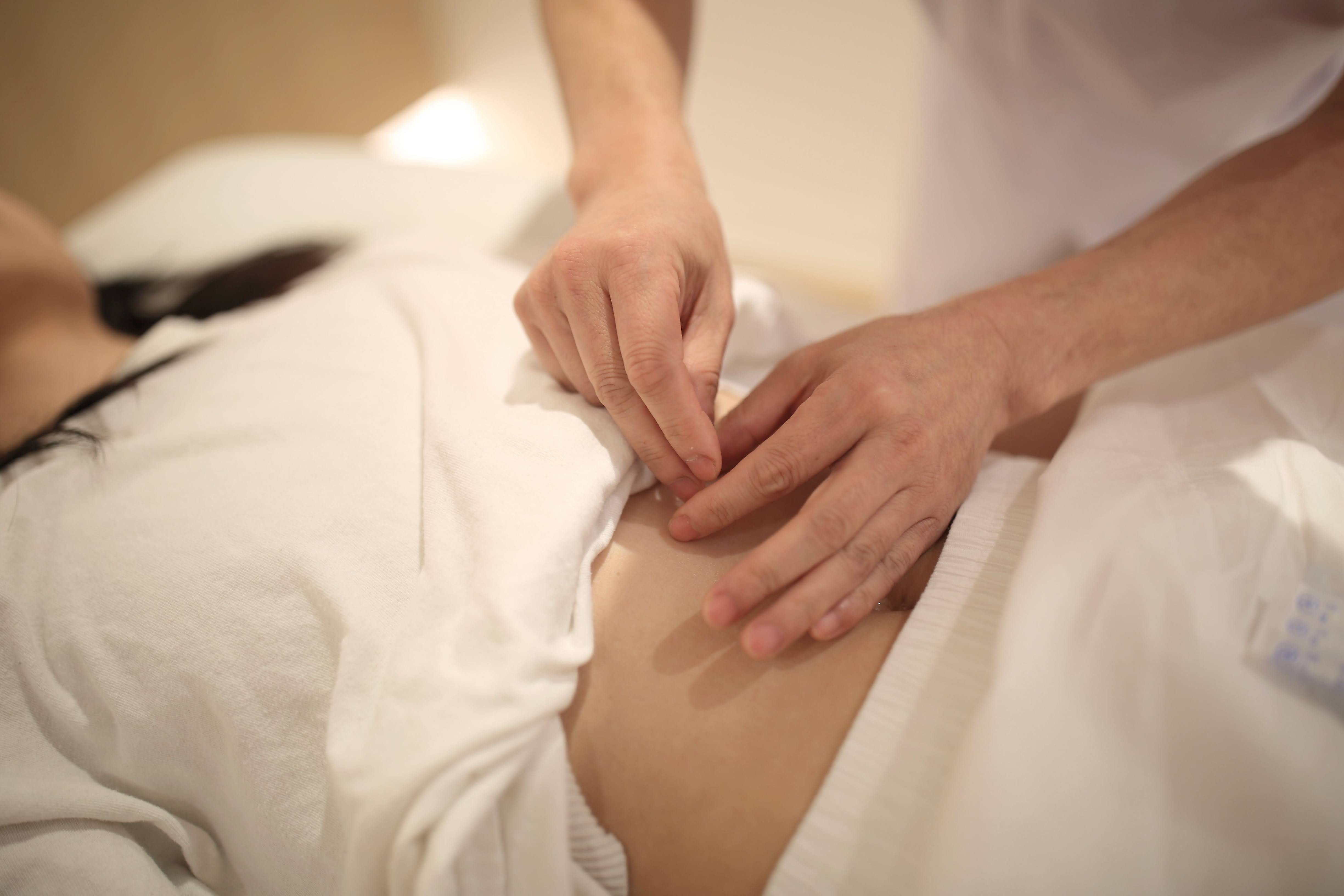
If you're looking for a natural way to manage anxiety, consider acupuncture. This method uses traditional practices and modern research to help. Acupuncture not only reduces anxiety symptoms but also works on the root causes. It aims to restore balance in your body and mind.
Key Points at a Glance
Acupuncture targets specific points to reduce anxiety symptoms.
Treatment is tailored to each person's unique needs and patterns.
Common points include Yintang, Shenmen, and Heart 7, among others.
Sessions can help regulate the nervous system and promote relaxation.
Acupuncture works well alongside other therapies and self-care strategies.
A personalised approach is key for lasting results.
Understanding Anxiety from a TCM Perspective
In Traditional Chinese Medicine (TCM), anxiety is considered an imbalance in the body's energy, known as Qi. This imbalance is often linked to the Heart, Spleen, or Kidney systems. Factors such as stress, lack of sleep, and emotional challenges can disrupt this balance, resulting in symptoms like restlessness, anxiety, and physical tension.
Acupuncture Points Commonly Used for Anxiety
Every acupuncture session offers a unique experience, tailored to your individual needs. However, some specific points are frequently selected for their soothing effects, helping you find balance and tranquillity.. Here are a few of the most effective:
Yintang (Hall of Impression)
Location: Between the eyebrows
Benefits: Eases tension, quiets the mind, supports restful sleep
Shenmen (Spirit Gate, Heart 7)
Location: On the wrist, at the crease on the pinky side
Benefits: Calms the spirit, reduces palpitations, soothes emotional distress
Anmian (Peaceful Sleep)
Location: Behind the ear, near the base of the skull
Benefits: Improves sleep, reduces anxiety, relieves headaches
Sanyinjiao (Spleen 6)
Location: Above the inner ankle bone
Benefits: Supports emotional stability, helps with insomnia, balances hormones
Neiguan (Inner Pass, Pericardium 6)
Location: On the inner forearm, about three finger widths from the wrist crease
Benefits: Eases chest tightness, calms anxiety, helps with nausea
Baihui (Hundred Meetings, DU20)
Location: At the top of the head
Benefits: Lifts mood, clears the mind, supports emotional balance
How Acupuncture Sessions for Anxiety Work
Treatment begins with a conversation. Your practitioner will ask about your symptoms, lifestyle, sleep, and emotional state. This helps them choose the most effective points for your unique pattern.
During the session:
Thin, sterile needles are gently placed at selected points.
Most people feel a sense of relaxation or gentle tingling.
Sessions typically last 30–60 minutes.
Many report feeling calmer after just one session, though a series of treatments is often recommended.
Benefits of Acupuncture for Anxiety
Acupuncture offers more than just symptom relief. Here's what you might experience:
Reduced muscle tension and headaches
Better sleep quality
Improved mood and emotional resilience
Decreased frequency and intensity of anxiety episodes
A sense of grounding and inner peace
Integrating Acupuncture with Other Approaches
Acupuncture works well alongside other forms of support, such as:
Counselling or therapy
Mindfulness and meditation
Exercise and gentle movement (like yoga or tai chi)
Balanced nutrition and hydration
Combining these strategies can create a strong foundation for lasting change.
What to Expect from a Personalized Approach
No two people experience anxiety in the same way. A skilled practitioner will tailor each session to your needs, adjusting point selection and treatment frequency as you progress. This personalized care respects your journey and supports your long-term well-being.
Take the Next Step Toward Calm
Suppose you're ready to explore a gentle, time-honored method for managing anxiety. In that case, acupuncture may offer the support you've been seeking. At OsteoTuina, our practitioners blend traditional wisdom with modern understanding to create a safe, welcoming space for healing. We invite you to book an appointment and take the first step toward a calmer mind and a healthier you.
Disclaimer
Acupuncture can be a valuable part of an anxiety management plan. Still, it should not replace medical advice or treatment from a qualified healthcare provider. If you have severe or persistent symptoms, please consult your doctor
.